
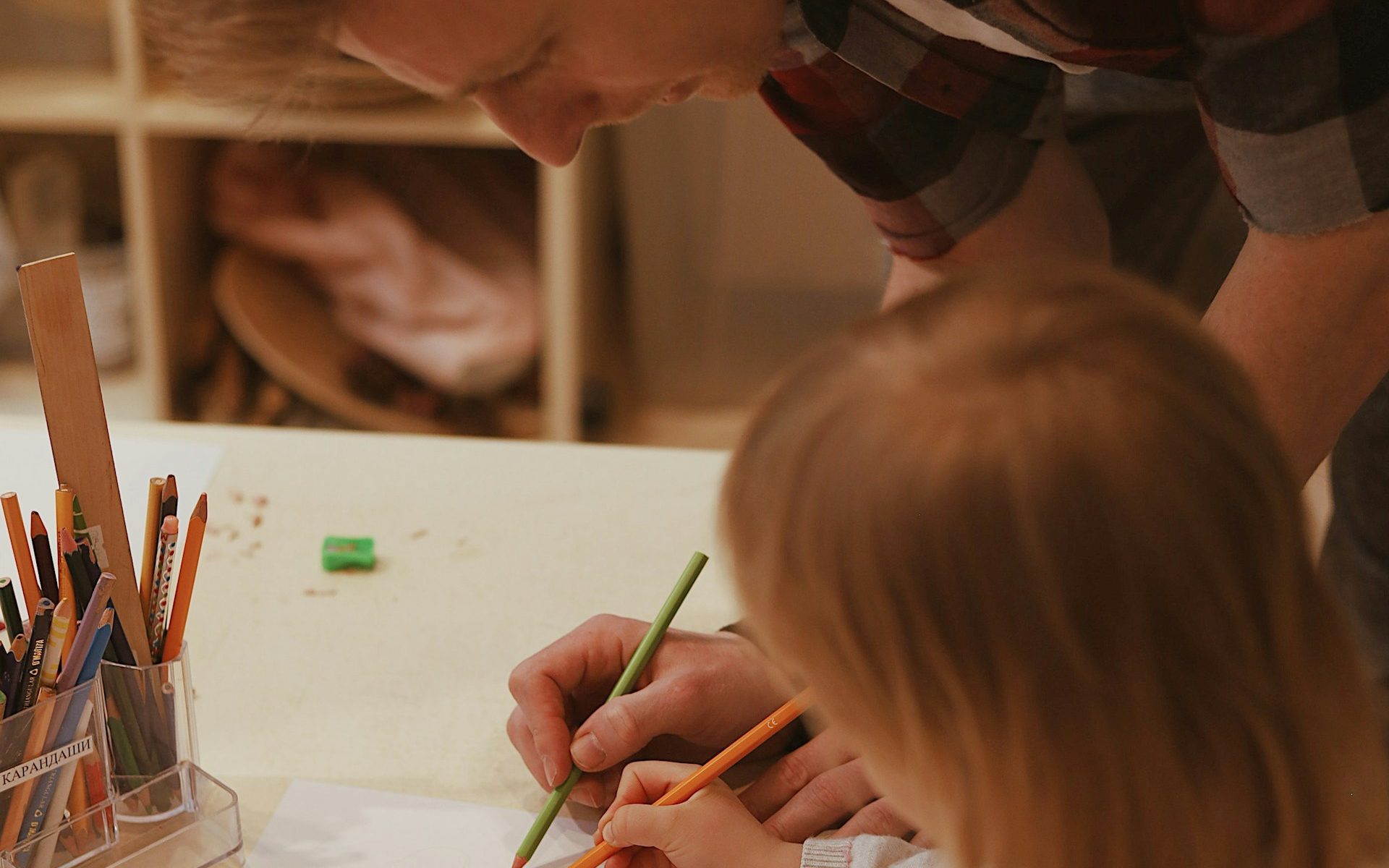
The early years of a child’s life are full of curiosity, exploration, and rapid development. In the UK, the Early Years Foundation Stage (EYFS) framework provides a structured yet flexible approach to support learning and growth from birth to age five. Understanding EYFS can help parents, caregivers, and educators create an environment that nurtures every aspect of a child’s development.
Here’s an in-depth guide to EYFS education and why it matters.
What is EYFS?
The Early Years Foundation Stage (EYFS) is a statutory framework in England that sets standards for learning, development, and care for children from birth to five years old. It applies to nurseries, pre-schools, reception classes, and childminders.
EYFS emphasises a holistic approach, focusing on a child’s personal, social, emotional, physical, and cognitive development. It balances structured guidance with the freedom for children to explore and learn through play.
The Key Principles of EYFS
EYFS is guided by four overarching principles:
- Every Child is Unique – Recognising that every child develops at their own pace and celebrating individual strengths.
- Children Learn Through Positive Relationships – Secure attachments with adults and peers form the foundation for confidence and learning.
- Enabling Environments – Children learn best when they are curious, engaged, and supported with resources that spark exploration.
- Learning and Development are Interconnected – Physical, emotional, social, and cognitive development are closely linked and equally important.
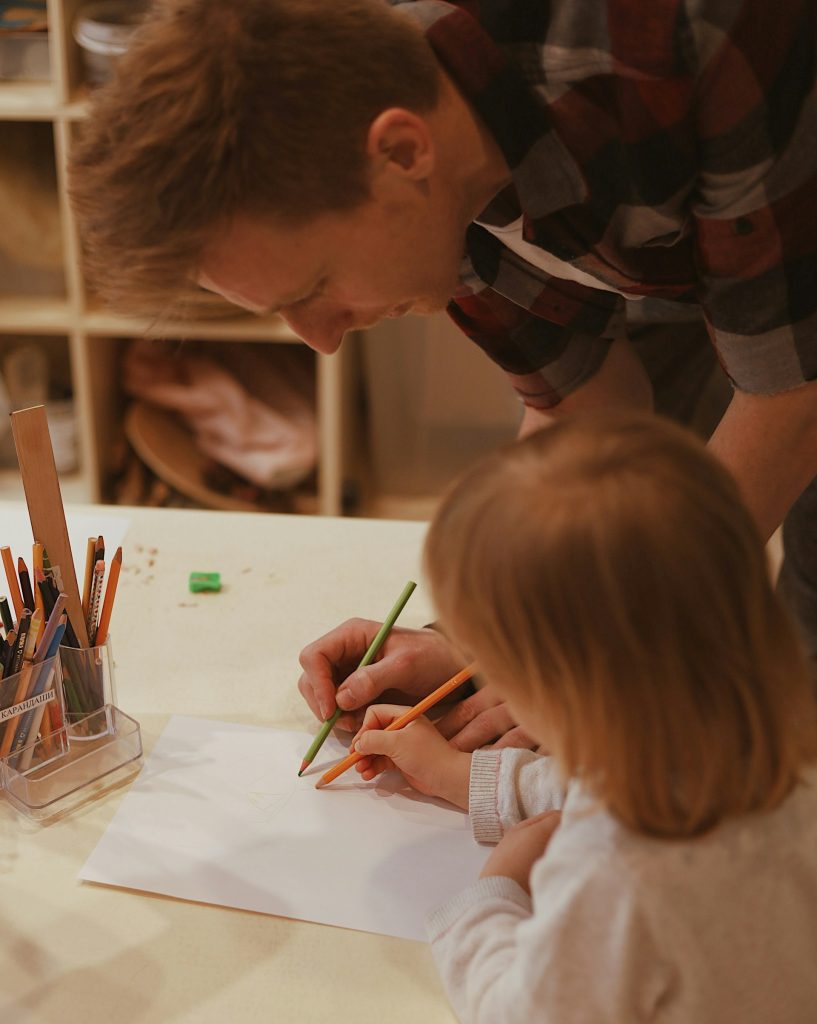
The Seven Areas of Learning and Development
EYFS focuses on seven areas of learning, divided into prime and specific areas:
Prime Areas (essential for future learning):
- Communication and Language – Listening, speaking, and understanding.
- Physical Development – Fine and gross motor skills, coordination, and healthy habits.
- Personal, Social, and Emotional Development – Self-confidence, managing feelings, building relationships, and empathy.
Specific Areas (helping children apply knowledge):
- Literacy – Reading, writing, and understanding language.
- Mathematics – Numbers, shapes, patterns, and problem solving.
- Understanding the World – Exploring science, technology, nature, and cultural awareness.
- Expressive Arts and Design – Creativity through art, music, dance, role-play, and imaginative play.
These areas are designed to be flexible, allowing children to explore in ways that suit their interests while building essential skills.
The Role of Play in EYFS
Play is at the heart of EYFS learning. It’s not just a break from structured learning—it’s how young children make sense of the world. Through play, children experiment, problem solve, and develop social skills.
Adults play a vital role by observing, scaffolding, and guiding learning. For example, asking open-ended questions during play can extend thinking and encourage curiosity.
Assessment and Progress
EYFS uses continuous observation rather than formal exams. Teachers and practitioners monitor development through interactions, play, and activities. This ongoing assessment helps identify each child’s strengths, interests, and areas where support may be needed.
At the end of the reception year, the EYFS Profile summarises each child’s development across the seven areas, helping parents and teachers plan the next stage of learning.
How Parents Can Support EYFS Learning
- Encourage Play at Home: Provide opportunities for imaginative play, building, and problem solving.
- Read Together: Sharing stories enhances literacy, communication, and imagination.
- Talk and Listen: Ask questions, listen to answers, and encourage curiosity.
- Support Independence: Let children try tasks themselves, from dressing to tidying up.
- Connect with Practitioners: Work collaboratively with teachers to understand progress and extend learning at home.
EYFS education lays the foundation for lifelong learning, helping children develop academically, socially, emotionally, and physically. By valuing play, fostering curiosity, and supporting individual growth, parents and educators can ensure children thrive during these crucial early years.
The Early Years Foundation Stage isn’t just preparation for school—it’s preparation for life.