
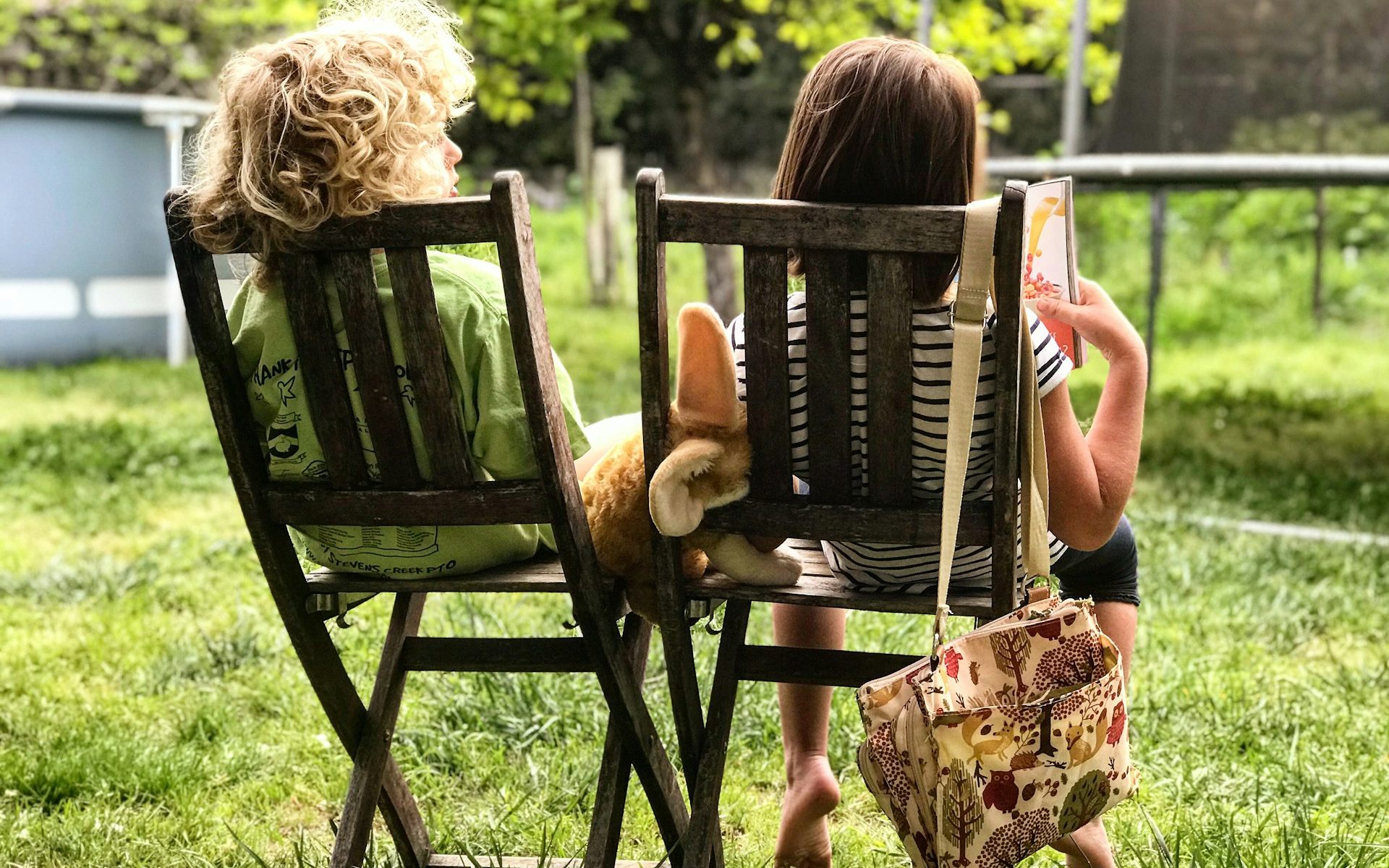
Kindness isn’t something children simply pick up overnight. It’s learned slowly, through example, conversation, and everyday experiences. In a busy world that often rewards speed and achievement, taking time to explore kindness with your child can feel both grounding and powerful. It’s not about grand gestures—it’s about helping them notice others, understand feelings, and act with care.
Here are some thoughtful ways this Brighton College says to explore the art of kindness together, in ways that feel natural and meaningful.
Start With Everyday Moments
Kindness often shows up in small, ordinary interactions. Holding a door open, saying thank you, helping a sibling, or showing patience when something feels frustrating—all of these moments count.
Talk about these situations as they happen. Gently point out how an action made someone else feel or how it changed the mood of the moment. These simple reflections help children connect kindness with real-life impact.
Model What Kindness Looks Like
Children learn more from what we do than what we say. How you speak to others, respond to mistakes, and handle stress sends powerful messages.
Let your child see you apologising when you’re wrong, offering help without being asked, and speaking kindly about others—even when they’re not present. When kindness is visible at home, it becomes a natural part of how children understand the world.
Encourage Empathy Through Conversation
Empathy is at the heart of kindness. When your child talks about school, friendships, or challenges, invite them to consider other perspectives. Questions like, “How do you think they felt?” or “What would help in that situation?” encourage emotional awareness.
Books and stories are also wonderful tools. Talk about characters’ choices and feelings, and explore how small acts of kindness could change a story’s outcome.
Practice Kindness Together
Turn kindness into something you actively do as a family. This could be as simple as baking for a neighbor, donating outgrown toys, writing thank-you notes, or making cards for someone who needs cheering up.
Involving your child in these moments shows them that kindness isn’t abstract—it’s something they can participate in and lead.
Teach Self-Kindness Too
Being kind to others starts with being kind to ourselves. Help your child recognise their own feelings, strengths, and boundaries. Encourage rest, positive self-talk, and patience when things don’t go perfectly.
When children learn that kindness includes caring for themselves, they’re better able to extend it outward in healthy ways.
Celebrate Effort, Not Perfection
Kindness doesn’t always look neat. Children will make mistakes, misread situations, or struggle to act kindly every time—and that’s okay. Acknowledge the effort they make and talk gently about what they might do differently next time.
By focusing on growth rather than perfection, you create a safe space for kindness to keep developing.
Exploring the art of kindness with your child is an ongoing journey, shaped by everyday choices and shared experiences. With patience, modelling, and open conversation, you’re helping them build a skill that will enrich their relationships—and the world around them—for a lifetime.