
The first few weeks of a new term have a particular rhythm. Alarm clocks return, bags fill with textbooks, and diaries start to look crowded again. For children juggling lessons, sport, music practice and friendships, autumn can feel like the busiest season of the year. Helping them find balance now, before the pace builds towards winter assessments, sets the tone for everything that follows.
Balance is not about doing less. It is about doing the right things at the right time, with enough rest built in to make it sustainable. Here is how families can approach it as the term gets going.
Why the start of term matters most
Habits formed in September and October tend to hold for months. A child who establishes a steady bedtime, a set place to do homework and a sensible after-school routine early on is far less likely to feel overwhelmed when exams and darker evenings arrive.
Getting the foundations right early takes some of the pressure off later. When the basics run on autopilot, children have more energy left for the things that stretch and stimulate them.
Reading the signs of overload
Busy is fine. Frazzled is not. It helps to watch for the difference. A child who is stretched but coping will still laugh, still show up for the things they enjoy, and still sleep well. A child who is overloaded may become withdrawn, irritable or tearful, or start to lose interest in activities they once loved.
Noticing these signs early gives parents the chance to ease off before small worries grow. Sometimes the most useful thing a family can do is quietly remove one commitment rather than add another coping strategy.
Building rest into the week
Rest is not a reward for finishing everything else. It is part of the plan. Children who have unstructured downtime, time to read for pleasure, potter about or simply be bored, tend to return to their work sharper and more willing.
A few practical anchors help here:
– Protect one evening a week with nothing scheduled.
– Keep screens out of bedrooms so sleep stays properly restful.
– Eat together when the week allows, even if only a couple of times.
None of this is complicated, but consistency makes the difference.
The role of a supportive school
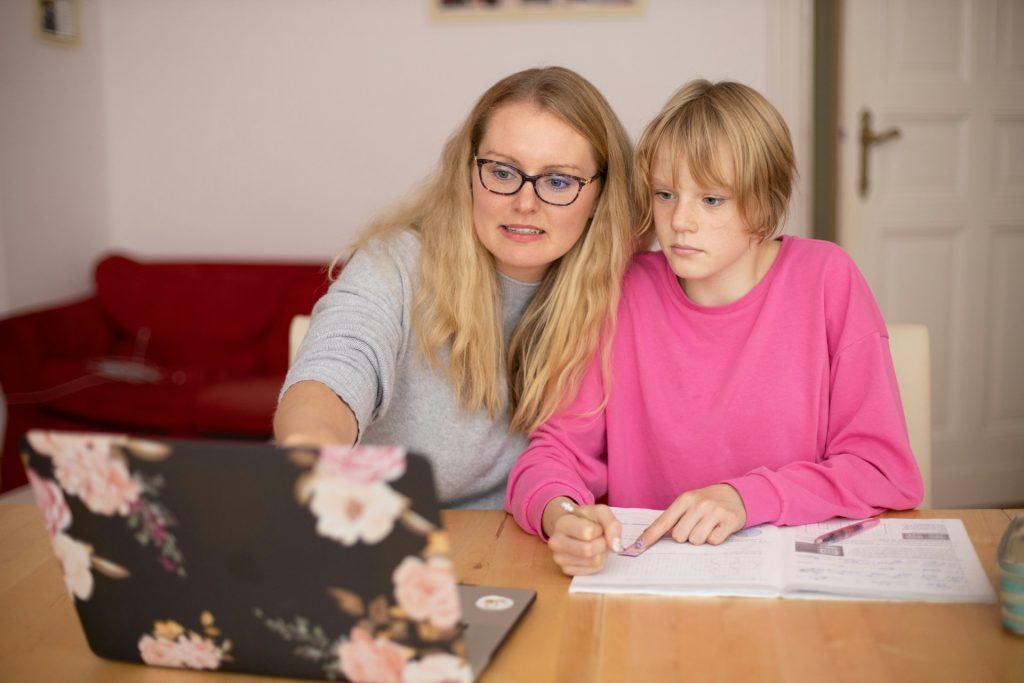
Balance is easier when home and school pull in the same direction. Schools that understand the whole child, and not just the exam candidate, build breathing space into the day and encourage pursuits beyond the classroom. This shows up in everything from how homework is set to how sport, drama and pastoral care are valued.
Families often find that [an environment that nurtures both academic ambition and personal wellbeing|https://www.willowparkschool.ie/] makes the term feel more manageable. When a school treats character, curiosity and kindness as seriously as results, children have a steadier place to grow.
A shared task
Helping a child find balance is not a one-off conversation. It is an ongoing, gentle adjustment as the year turns. Parents, teachers and children all have a part to play, and the aim is always the same: a young person who works hard, rests well and still has room to be a child.
Get the balance right this term, and the rest of the year has a far better chance of feeling steady rather than stretched.