
Why Football Camp Matters in a Child’s Development
Ask any parent watching from the sidelines what they hope their child gets out of a football camp, and the answer is rarely “a perfect passing technique.” It’s usually something bigger: confidence, friendships, a way to burn off energy that doesn’t involve a screen. The good news is that a well-run camp delivers all of that, and often more than parents expect.
Here are the questions parents ask most often, answered plainly.
Read more: What to Look for in a Children’s Football CampIs football camp really about football?
Only partly. The ball is the reason children turn up, but it isn’t the reason the experience sticks with them. A morning spent working towards a shared goal teaches patience, resilience and how to lose gracefully, then try again. Children learn to read situations, communicate with teammates and cope with the small frustrations of missing a shot or being marked out of a game.
Those are life skills dressed up as sport. A child who learns to keep their head after conceding a goal is building the same emotional muscle they’ll draw on during a tricky maths test or a fallout with a friend.
What about children who aren’t naturally sporty?
This is the worry that keeps a lot of parents from signing up, and it’s worth addressing directly. Good camps are built for a range of abilities, not just the child who already plays every weekend.
The point of camp isn’t to identify the next academy star. It’s to give every child a chance to move, take part and feel included. A confident coach will spot the quieter child, find them a role and celebrate small wins. Many children who arrive convinced they “can’t play” leave having scored their first proper goal, and that shift in self-belief carries well beyond the pitch. For families weighing up their options, [holiday football camps that welcome all abilities|https://clubexcel.co.uk] tend to prioritise enjoyment over pressure, which makes a real difference for a hesitant child.
Does it actually help with fitness and health?
Yes, and not only in the obvious way. Children are moving more or less constantly during a camp day, which supports heart health, coordination and balance. But the habit matters as much as the exercise itself.
A child who associates being active with fun is far more likely to stay active as they grow. Camp helps normalise daily movement at an age when patterns are still forming, which is worth more in the long run than any single week of drills.
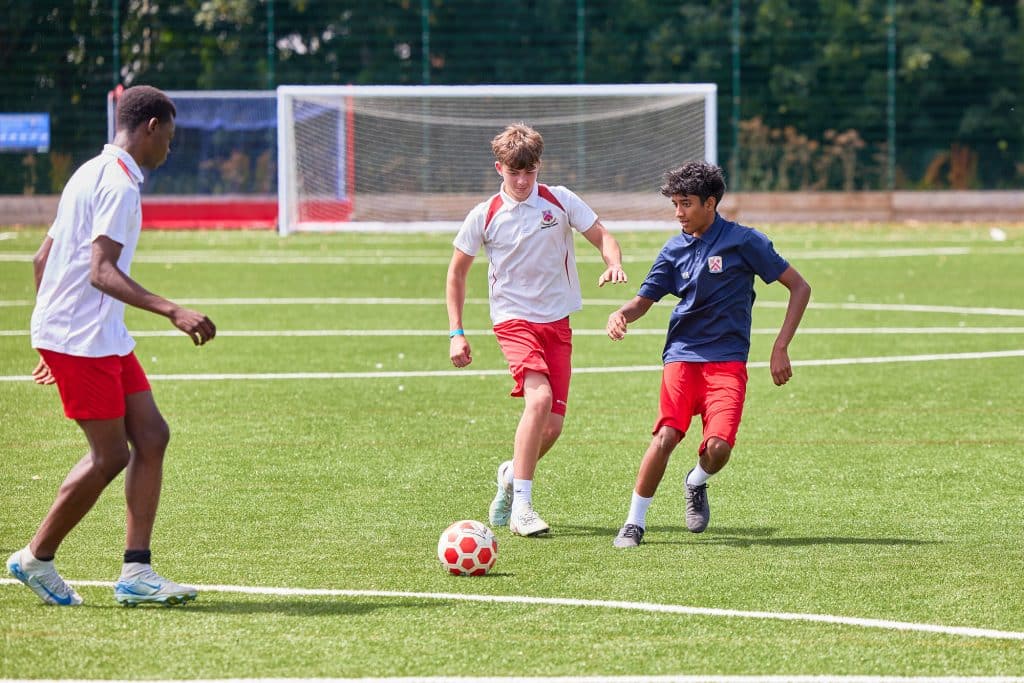
Will my child make friends?
For many children, this is the quiet highlight. Camps mix children from different schools and year groups, so shy children often find it easier to connect than they do in a familiar classroom. Working towards a common aim breaks the ice quickly. There are no cliques to navigate, just a shared task and plenty of chances to talk.
Parents frequently report that their child comes home talking about the friends they made rather than the goals they scored. Providers such as Club Excel understand that the social side is central to why children want to come back.
How do I choose the right camp?
A few practical checks help. Look at the ratio of coaches to children, ask how sessions are adapted for different abilities, and find out whether staff are trained in first aid and safeguarding. Trust your instinct about tone, too: a camp that talks about enjoyment and inclusion is usually a better fit for a young child than one that talks only about winning.
It’s also worth asking what a typical day looks like. Variety keeps children engaged, so a mix of skills, small-sided games and free play tends to work better than hours of repetitive drills.
The takeaway
Football camp matters because it does so much more than teach children how to play. It builds confidence, encourages healthy habits, widens friendships and gives children a safe, active way to spend the holidays. The football is simply the way in. For more information, visit https://clubexcel.co.uk.