
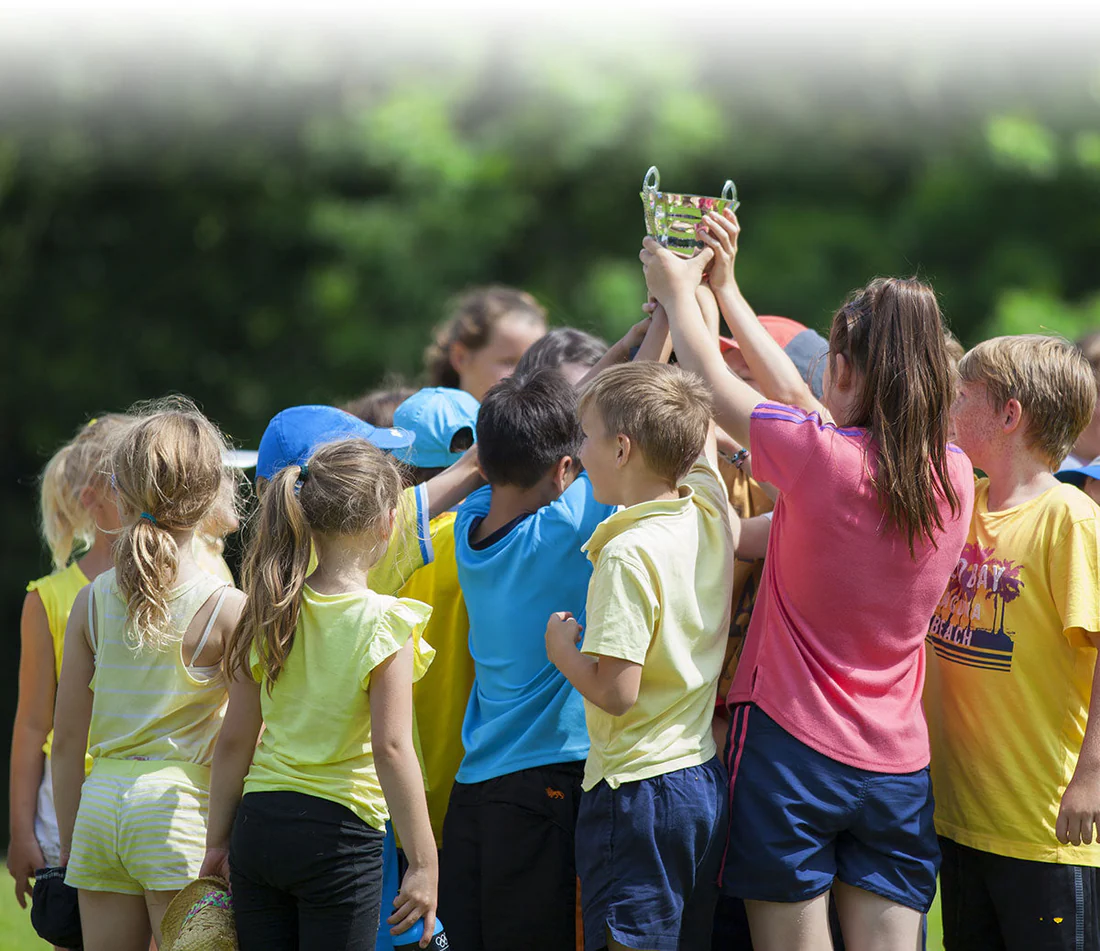
Five Ways to Encourage Team Player at Home
Saturday morning, and the kitchen looks like a small storm has passed through it. Two children are arguing over who gets to stir the pancake batter, while a third has quietly wandered off with the only clean whisk. A parent stands in the doorway, weighing up whether to referee or retreat with a cup of tea. It is a scene most families will recognise, and it holds a small lesson worth noticing. Cooperation does not come naturally to everyone. It is learned, and often it is learned first at home.
Being a good team player is one of those qualities that shapes a child long after the school years are over. It shows up in friendships, in careers, and in the everyday business of living alongside other people. The good news is that home is one of the best places to practise it, and it rarely requires anything more than a shift in how ordinary moments are handled.
Read more: How School Sport Helps Children Become True Team PlayersStart with shared jobs, not solo chores
There is a difference between telling a child to tidy their room and asking two siblings to sort the recycling together. The first is a task. The second is a small exercise in negotiation, patience and shared responsibility.
When jobs are framed as something the family does together, children begin to see that outcomes depend on more than one person. Cooking a meal, planning a weekend outing, or clearing up after a party all offer natural opportunities. The mess and the disagreements are part of it. Working through them is where the real learning happens.
Let them lose sometimes
Board games and back-garden football are more useful than they look. They teach children how to win without gloating and, just as importantly, how to lose without falling apart.
Resisting the urge to always let a child win does them a quiet favour. A team player needs to understand that setbacks are shared, that one person’s mistake is not a catastrophe, and that the point is usually the playing rather than the winning. Families that value this kind of balanced, well-rounded development often find it echoed in schools that nurture teamwork alongside academic achievement, where sport and group activity sit comfortably beside the classroom.
Give everyone a voice at the table
Mealtimes are one of the few moments in a busy week when a household gathers in one place. They are also a chance to model how good teams talk to one another.
Encouraging children to listen properly, to wait their turn and to ask others what they think are all skills that translate directly into group settings. A child who learns to say “what do you reckon?” at the dinner table is practising something they will use in every group project, committee and workplace to come.
Notice effort, not just results
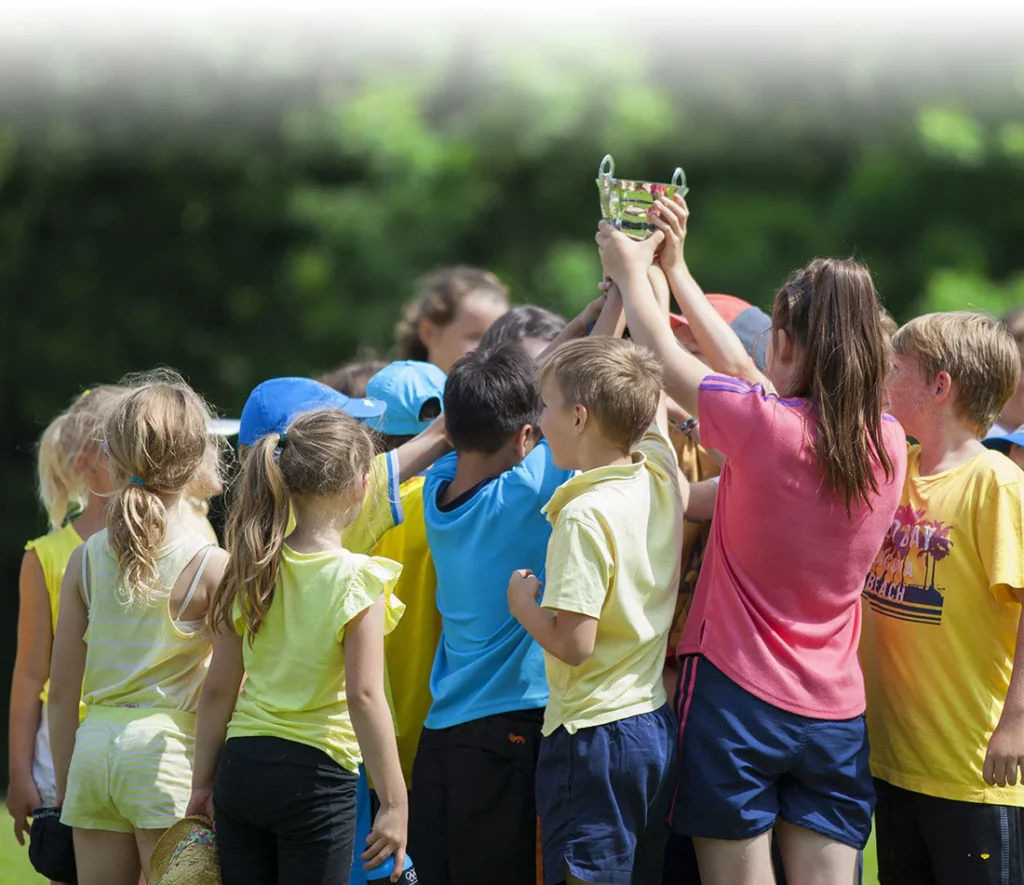
It is easy to praise the goal scored or the top mark achieved. It is harder, and more valuable, to notice the child who passed the ball rather than shooting, or who helped a younger sibling with their reading.
Recognising these quieter contributions tells children that supporting others matters. Over time, this shapes the kind of person who lifts a group up rather than one who simply seeks the spotlight.
Model it yourself
Children watch far more than they listen. A parent who shares the load at home, admits when they are wrong, and treats family life as a joint effort teaches teamwork more effectively than any lecture could.
The occasional chaotic Saturday morning, then, is not a failure. It is a rehearsal. With a little patience and a few shared jobs, that same kitchen becomes a place where children learn how to work with others, one slightly burnt pancake at a time.
Schools such as Tettenhall College build on these foundations, offering the wider stage on which cooperative habits can grow. You can find out more at https://tettenhallcollege.co.uk.