
Five Ways to Encourage Self Care at Home
Self care has become one of those phrases that gets used everywhere, often without much thought behind it. At its simplest, it means the small, deliberate things people do to look after their own physical and emotional wellbeing. For young people especially, learning these habits early sets a foundation that lasts well into adulthood.
The good news is that self care does not require expensive products or a rigid routine. Most of it happens quietly at home, built from ordinary moments. Here are five practical ways families can nurture it.
Read more: Why Self-Care Should Be Part of Every Girl’s EducationStart with rest, not gadgets
Sleep is the part of self care most easily overlooked. Children and teenagers need more of it than many parents realise, and screens tend to eat into the hours that should be spent winding down. A gentle rhythm helps: dimming lights in the evening, keeping phones out of bedrooms, and allowing time to read or simply talk before sleep. Rest is not a reward for a busy day. It is the thing that makes the next one manageable.
Give feelings a name
A big part of looking after yourself is understanding what you feel and why. Younger children often act out emotions they cannot yet describe, while older ones may bottle things up. Families can help by talking openly about feelings at the dinner table or on the walk home from school. Naming an emotion, whether it is frustration, worry or excitement, takes some of its power away. It also shows children that difficult feelings are normal and worth discussing rather than hiding.
Build in movement and fresh air
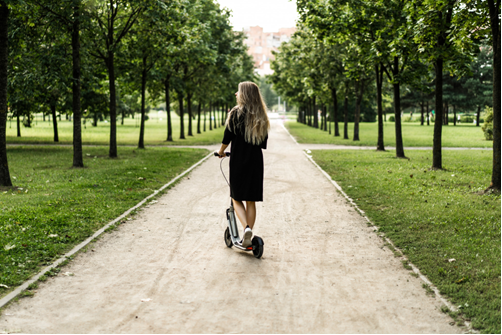
Physical activity does more than keep the body healthy. It lifts mood, clears the mind and helps children sleep better too. This does not mean formal sport. A bike ride, a kick-about in the garden or a family walk all count. The aim is to make movement feel like part of daily life rather than a chore. Schools that value the whole child tend to reinforce this idea, and parents can look for settings that share those values. Somewhere like a well-regarded independent girls’ school in North London often weaves wellbeing into everyday learning, which supports what happens at home.
Create small pockets of calm
Modern life is noisy, and children absorb more of that pressure than adults sometimes assume. Setting aside a little quiet time each day gives them space to reset. This might be ten minutes of drawing, listening to music, or sitting with a book. Some families try short breathing exercises together. The activity matters far less than the message behind it: that it is healthy to slow down and check in with yourself.
Let them take the lead
Self care sticks best when children feel some ownership over it. Rather than handing down a fixed list of rules, invite them to think about what helps them feel their best. One child might find comfort in a tidy room, another in time with a pet or a favourite hobby. When young people help shape their own routines, they are far more likely to keep them up. Palmers Green High School encourages this kind of independence, and it is a principle any family can adopt at home.
None of these steps needs to be perfect or complete. Self care is a habit that grows slowly, through small choices repeated over time. The most valuable thing parents can offer is a calm, consistent example. Children notice how the adults around them manage stress, rest and recovery, and they learn from it. For more ideas on nurturing wellbeing in young people, visit https://pghs.co.uk.